
Puwer
What is Puwer
Provision and Use of Work Equipment Regulations 1998.
The PUWER regulation is designed to ensure the safety of workers while protecting companies operating, maintaining and having control over their equipment and machinery used in their workplaces.

Project Objectives
To ensure audits are carried out to meet specific, and general safety rules, for the maintenance and running of equipment.
Business Objectives
- Produce documentary evidence as required, to include status and definitions for the safe operation and maintenance of the asset
- Safe storage of documentation, as advised by the client, for ease of access by all relevant personnel
Performance And Technical Objectives
- To produce standard operating documentation that can be accessed and utilised by the relevant personal to ensure maximum productivity and safe working
- To produce up to date records of machine status.Information can be categorised to highlight urgent, essential and future proofing requirements on categories of equipment.
Quality Objectives
- Safe equipment usually means the production of high quality products. Standards can be put in place to measure the effect of regular maintenance identified by the PUWER assessment process
- Maximising the utilisation of the asset is prime objective so ROI can be measured to establish the benefits of the audit and maintenance programme.
PUWER Training and Regulations
Training
- Before working and handling any sort of machine, the person must be competent to use it.
- Machine users are expected to understand the equipment and its risks and carry out working PUWER inspections
- Everyone has a legal right to protect themselves, especially in an environment where machines can be a potential hazard to the people around the working environment
- Everyone needs to be trained before partaking their everyday roles: employers and employees, contractors, suppliers, and others
Regulations
ACOP, also known as Approved Code of Practice supports and backs up the PUWER regulation. This is directed at employers, duty holders, managers, supervisors and anyone who has responsibility for the safe use of work equipment. It deals with a wide range of hazardous materials and working practices. There can be serious consequences for employers who breach the Regulations.
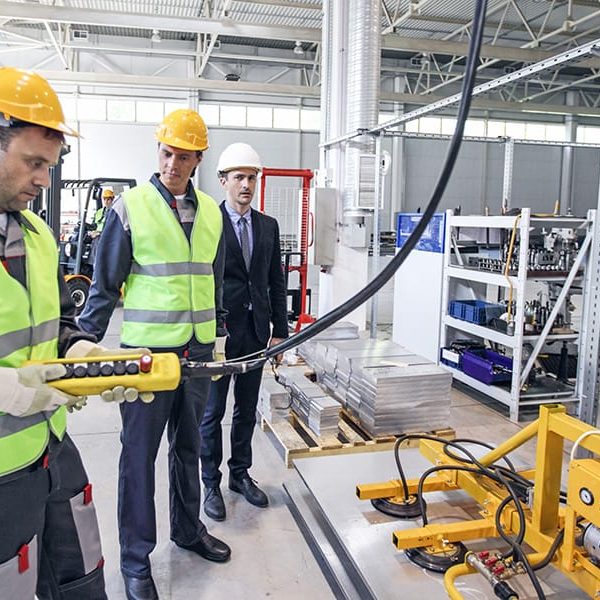
What you need to know about PUWER:
PUWER stands for the Provision and Use of Work Equipment Regulations. It is a set of health and safety regulations in the United Kingdom that aim to ensure the safe use of work equipment. These regulations apply to all types of work equipment, including machinery, tools, and appliances, and are designed to protect workers from the risks associated with the use of these items.
The regulations place a duty on employers to ensure that work equipment is safe to use, properly maintained, and used by competent workers. Employers are required to assess the risks associated with the use of work equipment, provide appropriate training and instruction to workers, and ensure that work equipment is inspected and maintained on a regular basis.
In addition, the regulations require employers to take steps to prevent unauthorised access to work equipment and to ensure that the equipment is used only for its intended purpose. Employers are also required to ensure that work equipment is marked with any relevant safety information, such as warning labels or instructions for safe use.
Overall, the PUWER regulations are an important tool for ensuring the safe use of work equipment in the UK. By requiring employers to take steps to assess and manage the risks associated with work equipment, the regulations help to protect workers and prevent accidents and injuries in the workplace.
PUWER (Provision and Use of Work Equipment Regulations) training is an essential part of ensuring that workers understand their responsibilities and obligations under these regulations. The training is typically provided by employers to their workers, and can take various forms, depending on the nature of the work and the type of work equipment involved.
Training can include:
Classroom training: This involves attending a training course or seminar where the principles and requirements of PUWER are explained in detail. Classroom training can be useful for providing a broad overview of the regulations and for ensuring that workers understand their obligations under the regulations.
On-the-job training: This involves learning about PUWER requirements while working with specific work equipment. On-the-job training can be particularly useful for workers who are new to a specific type of equipment or who need to update their knowledge of the equipment.
E-learning: This involves taking an online course or training module that covers the principles and requirements of PUWER. E-learning can be a convenient and cost-effective way to provide training to workers who are geographically dispersed or who need to update their knowledge on a regular basis.
Workshops and practical training: This involves hands-on training and practice using specific work equipment, with a focus on safe use and maintenance. Workshops and practical training can be particularly useful for workers who are responsible for maintaining and repairing work equipment.