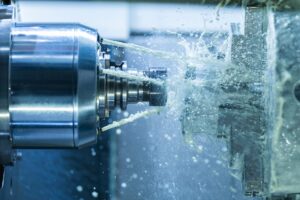
CNC Machines are advanced manufacturing machines that combine the capabilities of milling, drilling, and boring operations into a single automated system some of the best available are the machine from Tormach, distributed in the UK by us!. These machines are widely used in various industries, including aerospace, automotive, medical device manufacturing, and consumer electronics. They play a crucial role in modern manufacturing by providing high precision and accuracy, increased productivity, reduced labor costs, and flexibility in production.
Advantages of CNC machines over traditional manufacturing methods
One of the key advantages of CNC machines is their ability to achieve high precision and accuracy in the manufacturing process. These machines are equipped with advanced computer numerical control (CNC) systems that allow for precise control of cutting tools and movements. This level of precision is not easily achievable with traditional manual machining methods, which rely on the skill and experience of the operator.
Another advantage of CNC machines is their ability to increase productivity. These machines are capable of performing multiple operations simultaneously, reducing the overall cycle time for a given part. Additionally, they can be programmed to run continuously without the need for constant operator intervention, further increasing productivity.
CNC machines also offer significant cost savings in terms of labor. With traditional machining methods, multiple operators may be required to perform different operations on a part. However, with CNC machines, a single operator can program the machine to perform all necessary operations, reducing the need for additional labor.
Furthermore, CNC machines offer flexibility in production. They can easily switch between different parts and operations by simply changing the program. This allows manufacturers to quickly adapt to changing customer demands and produce a wide range of products without the need for expensive retooling or setup changes.
Types of CNC machines and their specific applications
There are several types of CNC machines available, each with its own specific applications and advantages.
Vertical CNC machines (VMCs) are the most common type and are widely used in various industries. They have a vertical spindle orientation and are ideal for machining flat or prismatic parts. VMCs are known for their versatility and can perform a wide range of operations, including milling, drilling, tapping, and boring.
Horizontal CNC machines (HMCs) have a horizontal spindle orientation and are typically used for machining large and heavy parts. They are ideal for applications that require high material removal rates and deep cuts. HMCs are commonly used in the automotive and aerospace industries for machining engine blocks, transmission cases, and structural components.
5-axis CNC machines offer the ability to perform complex machining operations on multiple sides of a part without the need for repositioning. These machines have a rotary table that allows for simultaneous movement in multiple axes, providing greater flexibility and accuracy. 5-axis machining centres are commonly used in the aerospace industry for machining turbine blades, impellers, and complex structural components.
Multi-tasking CNC machines combine the capabilities of multiple machines into a single system. These machines can perform turning, milling, drilling, and grinding operations in a single setup, reducing the need for multiple machines and setups. Multi-tasking machining centres are commonly used in the medical device manufacturing industry for producing complex implants and surgical instruments.
How CNC machines are improving efficiency and reducing costs in manufacturing
CNC machines are revolutionizing the manufacturing industry by improving efficiency and reducing costs in several ways.
One of the key benefits of CNC machines is reduced setup time. Traditional machining methods often require extensive setup changes between different operations or parts. This can be time-consuming and result in significant downtime. However, with CNC machines, setup changes can be minimized or eliminated altogether. The machine can be programmed to automatically change tools, adjust workpiece positions, and perform other necessary setup tasks, reducing the overall setup time.
Another way CNC machines improve efficiency is through increased tool life. These machines are equipped with advanced tool monitoring systems that can detect tool wear or breakage in real-time. This allows operators to replace tools before they fail, reducing the risk of damage to the workpiece and the need for rework. Additionally, CNC machines can optimize tool paths and cutting parameters to maximize tool life and minimize tooling costs.
CNC machines also contribute to improved quality control. These machines are capable of consistently producing parts with high precision and accuracy, reducing the variability often associated with manual machining methods. Additionally, CNC machines can be equipped with in-process inspection systems that can measure critical dimensions and perform quality checks during the machining process. This ensures that parts meet the required specifications and reduces the need for post-machining inspection and rework.
Furthermore, CNC machines help reduce scrap and rework. With traditional machining methods, errors or defects in a part may not be detected until after the machining process is complete. This can result in significant material waste and the need for rework or scrap. However, with machining centres, errors or defects can be detected in real-time through advanced monitoring systems. This allows operators to make adjustments or stop the machining process before further damage is done, reducing scrap and rework.
The role of automation and robotics in CNC machines
Automation and robotics play a crucial role in CNC machines by further improving efficiency and reducing labor costs.
One of the key automation features of CNC machines is automated tool changers. These systems allow for quick and automatic tool changes without the need for operator intervention. This reduces downtime between different operations or parts and increases overall productivity. Automated tool changers also contribute to improved safety by minimizing operator exposure to sharp cutting tools.
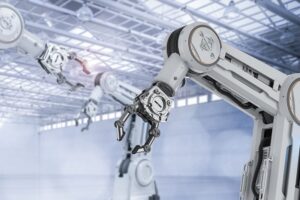
Robotic loading and unloading systems are another important automation feature of CNC machines. These systems use robots to load raw materials onto the machine, remove finished parts, and perform other material handling tasks. This eliminates the need for manual loading and unloading by operators, reducing labor costs and increasing productivity. Robotic loading and unloading systems can also be integrated with other automation technologies, such as vision systems, to further enhance efficiency and accuracy.
Lights-out manufacturing is a concept that refers to the ability of CNC machines to operate without human intervention. This is made possible through the use of advanced automation and robotics technologies. Lights-out manufacturing allows for continuous operation of the machine, even outside of regular working hours. This maximizes productivity and reduces labor costs by eliminating the need for operators during non-working hours.
The impact of CNC machines on the job market and workforce
The introduction of CNC machines in manufacturing has had a significant impact on the job market and workforce.
One of the key changes brought about by CNC machines is the shift in job roles and responsibilities. With traditional machining methods, operators were responsible for manually operating the machines and performing various tasks, such as tool changes, setup changes, and quality checks. However, with CNC machines, operators are now required to have a higher level of technical skills and knowledge in programming and operating CNC systems. This has led to a shift towards more skilled operator roles in the industry.
The introduction of CNC machines has also increased the demand for skilled operators and programmers. As these machines become more advanced and complex, there is a growing need for operators who can effectively program and operate them. This has created new job opportunities for individuals with the necessary skills and knowledge in CNC programming and operation.
Furthermore, CNC machines offer opportunities for career growth and development. Skilled operators and programmers who can effectively utilize these machines are highly sought after in the industry. They have the potential to advance their careers and take on more challenging roles, such as machine setup, process optimization, and quality control. Additionally, individuals who are willing to continuously learn and adapt to new technologies will be well-positioned for future advancements in the industry.
Case studies of successful implementation of CNC machines in various industries
There are numerous case studies that highlight the successful implementation of CNC machines in various industries.
In the aerospace industry, CNC machines have played a crucial role in the production of complex structural components and engine parts. For example, a leading aerospace manufacturer implemented 5-axis CNC machines for the production of turbine blades. This allowed them to achieve high precision and accuracy in the machining process, resulting in improved performance and efficiency of the blades.
In the automotive industry, CNC machines have been used for the production of engine blocks, transmission cases, and other critical components. A major automotive manufacturer implemented horizontal CNC machines for the production of engine blocks. This resulted in significant cost savings and improved productivity due to reduced setup time and increased material removal rates.
In the medical device manufacturing industry, CNC machines have been instrumental in the production of complex implants and surgical instruments. A medical device manufacturer implemented multi-tasking CNC machines for the production of orthopedic implants. This allowed them to reduce the number of machines and setups required, resulting in cost savings and improved efficiency.
In the consumer electronics industry, CNC machines have been used for the production of intricate components and housings. A leading electronics manufacturer implemented vertical CNC machines for the production of smartphone housings. This allowed them to achieve high precision and surface finishes, resulting in improved aesthetics and quality of the final product.
Future developments and advancements in machining centre technology
The future of machining centre technology holds great potential for further advancements and developments.
One area of future development is the integration of CNC machines with Industry 4.0 technologies. This includes the use of sensors, data analytics, and connectivity to create smart manufacturing systems. CNC machines can be equipped with sensors that monitor various parameters, such as temperature, vibration, and tool wear. This data can then be analyzed in real-time to optimize cutting parameters, predict tool life, and improve overall process efficiency.
Artificial intelligence (AI) and machine learning are also expected to play a significant role in the future of CNC machines. These technologies can be used to analyze large amounts of data and make intelligent decisions in real-time. For example, AI algorithms can optimize tool paths and cutting parameters based on historical data and real-time feedback from sensors. Machine learning algorithms can also be used to predict tool wear and failure, allowing for proactive maintenance and reducing downtime.
Another area of future development is the integration of additive manufacturing capabilities into CNC machines. Additive manufacturing, also known as 3D printing, allows for the production of complex geometries and customized parts. By integrating additive manufacturing capabilities into CNC machines, manufacturers can combine the benefits of both subtractive and additive processes in a single system. This opens up new possibilities for design freedom, reduced material waste, and improved overall efficiency.
Considerations for selecting the right machining centre for your manufacturing needs
When selecting a machining centre for your manufacturing needs, there are several key considerations to keep in mind.
Firstly, you need to consider your production volume and capacity requirements. Different CNC machines have different capabilities in terms of size, speed, and material removal rates. It is important to choose a machine that can meet your production volume requirements without sacrificing quality or efficiency.
Secondly, you need to consider the types of materials and sizes of parts you will be working with. Some CNC machines may be better suited for specific materials or part sizes. For example, if you will be machining large and heavy parts, a horizontal machining centre may be more suitable than a vertical machining centre.
Thirdly, you need to consider the required tolerances and surface finishes of your parts. Different CNC machines have different levels of precision and accuracy. It is important to choose a machine that can consistently produce parts within the required tolerances and surface finishes.
Lastly, you need to consider your budget and return on investment (ROI). CNC machines can vary significantly in terms of cost, depending on their capabilities and features. It is important to choose a machine that fits within your budget and provides a positive ROI based on your production volume and requirements.
The transformative potential of CNC machines in revolutionizing manufacturing.
In conclusion, CNC machines have become an integral part of modern manufacturing due to their numerous advantages over traditional manufacturing methods. These machines offer high precision and accuracy, increased productivity, reduced labor costs, and flexibility in production. They are capable of performing a wide range of operations and can be programmed to run continuously without the need for constant operator intervention.
CNC machines are improving efficiency and reducing costs in manufacturing through reduced setup time, increased tool life, improved quality control, and reduced scrap and rework. Automation and robotics play a crucial role in further enhancing efficiency and reducing labor costs. The introduction of CNC machines has had a significant impact on the job market and workforce, leading to changes in job roles and responsibilities and an increased demand for skilled operators and programmers.
Successful case studies in various industries highlight the transformative potential of CNC machines. Future developments in machining centre technology include the integration with Industry 4.0 technologies, the use of artificial intelligence and machine learning, and the integration of additive manufacturing capabilities. When selecting a machining centre for your manufacturing needs, it is important to consider factors such as production volume and capacity, material types and sizes, required tolerances and surface finishes.
Embracing new technologies such as CNC machines is crucial for staying competitive in today’s rapidly evolving manufacturing industry. The potential for continued growth and innovation in the industry is immense, and CNC machines are at the forefront of this revolution. By harnessing the capabilities of these advanced machines, manufacturers can achieve higher levels of efficiency, productivity, and quality in their operations.